


Pilgrimage to Chartres
Chartres, France
At Pentecost, the roads to Chartres are filled with pilgrims. Singing as they step, groups tread their way towards the gothic spires of Notre Dame de Chartres. Throughout the ages and across religions, walking the road has been considered an important way to join with the divine. The Chartres pilgrimage has been revived recently as a youth event, largely I suspect because the town lies within feasible walking distance from Paris. But the history of Chartres as a pilgrimage centre goes way back.

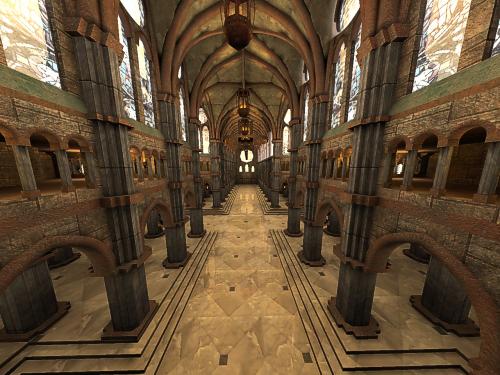
The twelfth century cathedral was built in a mere 25 years. An astonishing feat, financed by the generosity of pilgrims for whom this was already a revered destination. A stone floor at the back of the nave slopes gently downwards towards the west door. It was here that the poorer pilgrims slept; the sloping floor could easily be sluiced clean of their dirt and lice.
For a Europe embroiled in the passion of the Crusades and the cult of the Virgin, Notre Dame de Chartres, with no less than 175 representations of Mary, became a major pilgrimage centre. The virgin’s veil, a revered relic from Constantinople, was offered to Chartres back in the ninth century. Even then, this relic simply served to increase the existing pull of Mary’s cult on Chartres.
Initial Christian monuments on this site date from the fifth century. Is this when the pilgrimage tradition began? Another story goes even further back, to pre-Roman times when the region was inhabited by the Carnute tribe of Gauls. When the first evangelisers arrived in the region, they found the site already a centre of worship for druids who, in their fashion, also adored a virgin and mother of all the earth. For them, this place lay on one of the lines of magical power which criss-cross the earth. A dolmen built to capture this energy was, even then, a centre of pilgrimage.
History has shown that many incoming faiths adopt existing sacred sites for their own uses. Today’s pilgrims to Chartres cathedral, now listed by UNESCO as a world heritage site, may well be following in the steps of a tradition which dates back several millennia.
0 comments:
Post a Comment